Preserve the product
Begin with a sharp reference image when exact packaging matters. Describe the bottle, box, fabric, or finish in plain terms, then inspect any result for changes to shape, color, lettering, and proportions.
Product imagery
If you are searching for ai product photography free, start with an accurate product reference and a specific shot description. Claid helps you think through the image you need; check the destination's current access terms before beginning.
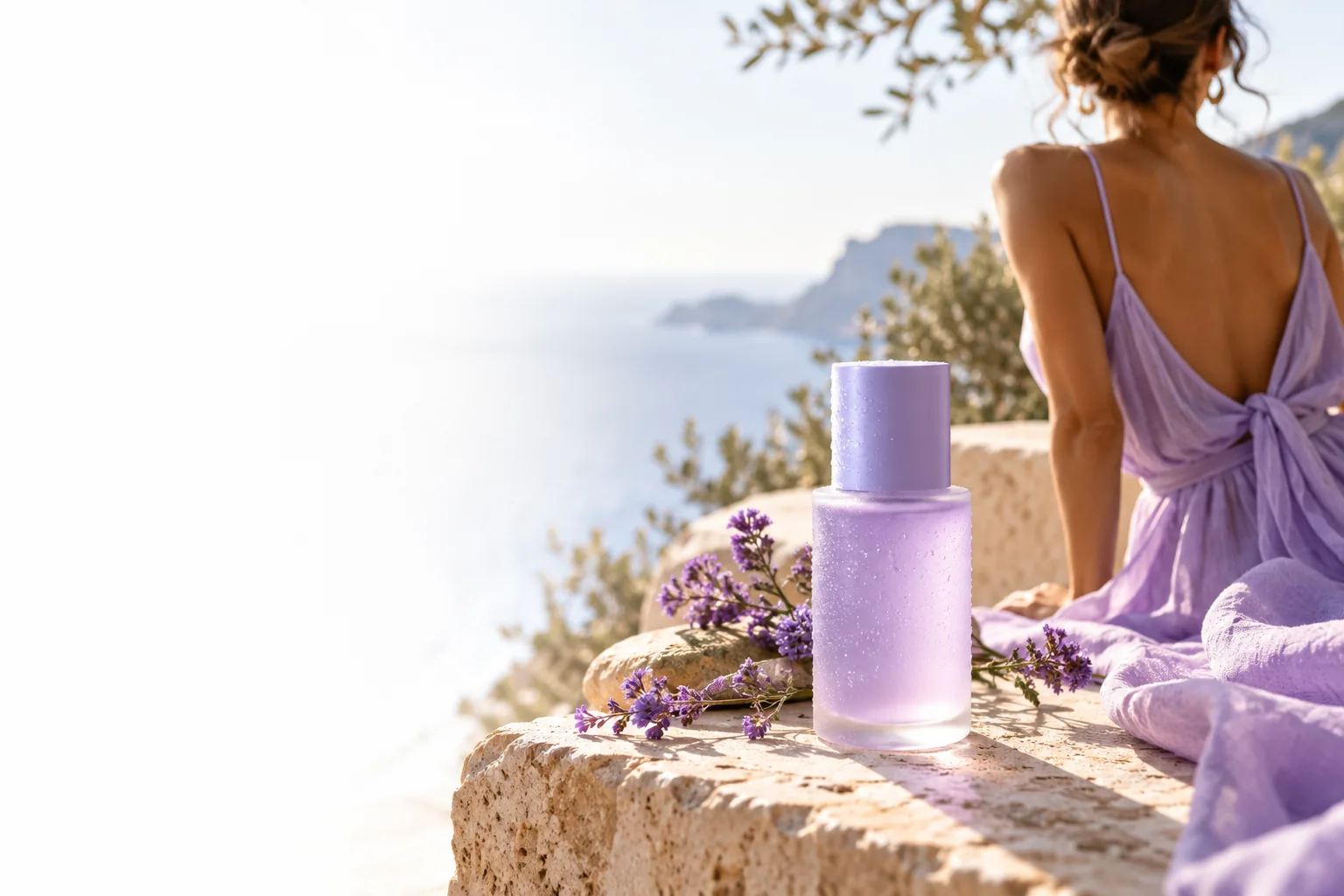
A free search is only the starting point: decide whether you need a new scene, a different product presentation, or an edit to a photo you already have.
Compare a generation-first approach when you need a new image concept rather than a revision to an existing photograph.
Use this route to plan a coordinated set of product scenes with consistent lighting and styling.
Start with editing when the original product photograph is sound but its presentation needs work.
AI imagery depends on the source and instructions you provide. These three decisions make a product-photo brief easier to evaluate.
Begin with a sharp reference image when exact packaging matters. Describe the bottle, box, fabric, or finish in plain terms, then inspect any result for changes to shape, color, lettering, and proportions.
Name the direction and character of the light instead of asking for a professional look. Soft side lighting, a modest shadow, and a neutral surface give you concrete qualities to compare across images.
A catalog image and a lifestyle campaign frame have different jobs. State where the photo will appear and how much space the product should occupy, so the scene does not overpower the item.
Work through these checks before handing a prompt to an AI image destination. They help you judge the output even if available controls vary.
Treat the reference photo as the source of truth.
Useful when the destination accepts reference images.
AI product photography can support visual exploration, but a convincing scene is not proof that every product detail is correct.
A search for a free option does not establish what the destination currently includes or permits. Limits and usage terms can change.
WorkaroundRead the destination's current terms before starting a production project.
AI-generated imagery can alter small type, logos, seams, and other details that customers expect to match the real item.
WorkaroundCompare the result against an approved product photograph and correct or reject inaccurate versions.
An attractive image does not confirm material, dimensions, ingredients, or how a product performs.
WorkaroundKeep factual claims grounded in product records and review the image with the relevant team.
A wide lifestyle composition may crop poorly in a square listing or leave too little room for copy.
WorkaroundPlan framing for the intended placement and inspect each crop before publishing.
Describe the real item first, then add the light, surface, and framing you want to explore. Follow the destination's prompts and check its available options and access terms before using any result.
That depends on the destination and its current terms; the search phrase alone does not establish free access. Check what is available and any applicable usage limits before committing to a workflow.
A real product photo is the safest reference when the output must resemble a specific item. If the destination accepts references, use a sharp image that clearly shows packaging, color, and shape.
It can help explore lighting, scenes, and compositions, but it should not be assumed to reproduce every physical detail accurately. Review any image intended for a listing against the actual product and your publication requirements.
Identify the product, its nonnegotiable details, the setting, lighting, camera framing, and intended use. Keep the instructions specific enough to assess the result, without describing features the real product does not have.
Inspect the label, logo, shape, material, shadows, and crop at the size where the image will appear. If any detail could mislead a customer, revise the image or use an approved photograph instead.